

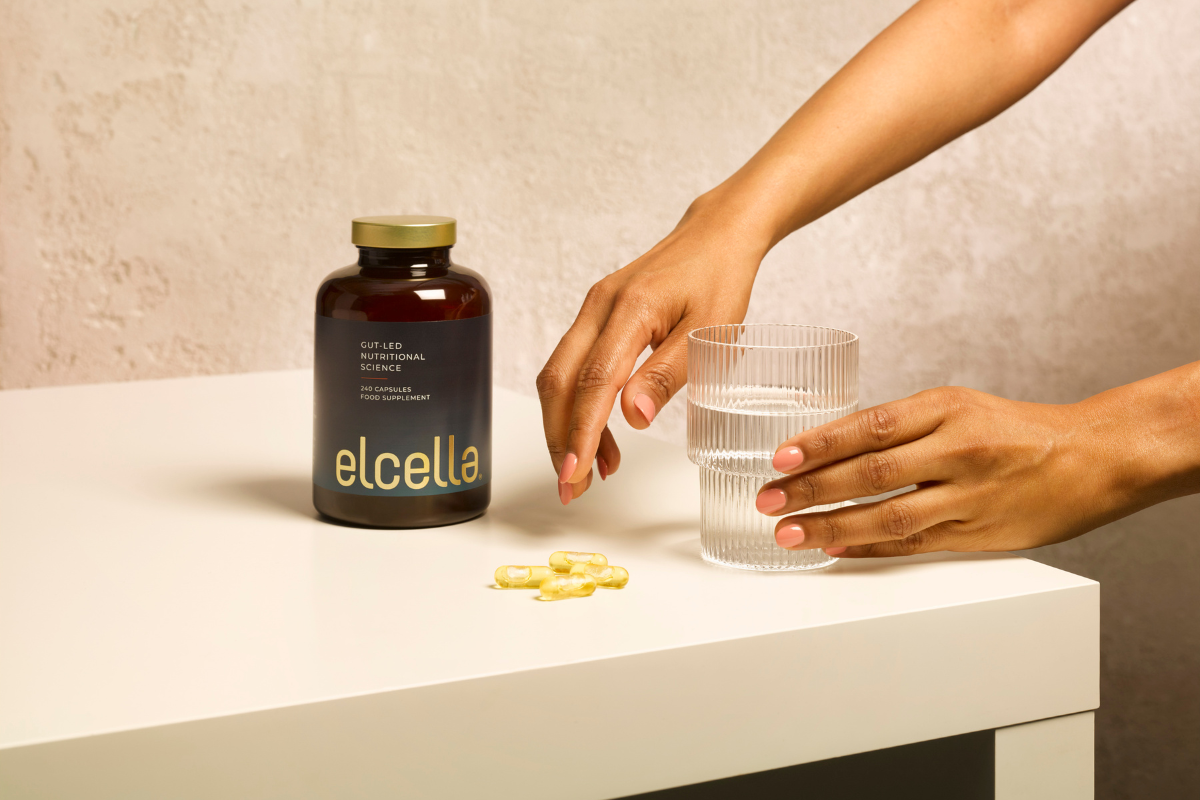
Feeling bloated on Elcella? Here’s Why That’s Actually a Sign Its Working
Noticed some bloating since starting Elcella? Maybe a bit of rumbling, some extra gas, or a belly that feels fuller than usual?
Step away from the panic button. Because at Elcella, we are genuinely excited when we hear this is happening to you. We know that sounds a little strange but as gut scientists that’s exactly what we want to hear. What you are experiencing is not a side effect. It is biological proof that Elcella's capsules are reaching exactly where they are supposed to reach: deep inside your colon, the home of your gut microbiome, where the L cells live.
Let's get into the science of why your bloating is actually brilliant news!
Your Colon — The Most Populated Place in Your Body
Most supplements never make it to the colon. They dissolve in the stomach or get absorbed in the small intestine, which means they never reach the part of the gut that matters most for appetite regulation and long-term gut health. Elcella is different. Our specially coated capsule is engineered to survive the acidic environment of the stomach and travel safely through the small intestine only opening once it reaches the colon.
And the colon is remarkable. It is home to trillions of bacteria, fungi, and other microorganisms that collectively make up your gut microbiome. The most densely populated microbial environment in the entire human body. These microbes do extraordinary things: they regulate your immune system, produce key neurotransmitters, influence your mood, and generate the chemical signals that drive gut motility. When Elcella's nutrients arrive in the colon, this entire ecosystem takes notice immediately.
Why Does the Microbiome Cause Bloating When It Shifts?
Here is the fascinating part. When bacteria in the colon encounter a new nutrient source, they ferment it and fermentation produces gas. Hydrogen, carbon dioxide, and sometimes methane (smelly gas) which are all natural by-products of your gut bacteria doing their job. This is the same reason people experience bloating when they first increase their fibre intake, start a probiotic, or make any meaningful change to their diet.
Research published in the journal Microbiome (Baxter et al., 2020) found that both the chemical composition of a new substrate arriving in the gut and the existing community of bacteria present will influence how much gas is produced during fermentation. This is why some people experience more bloating than others, it entirely depends on your individual microbiome. And research published in Nature (David et al., 2014) confirmed that the gut microbiome can begin to structurally shift within just 24 hours of a new nutrient arriving in the gut, with microbial communities reorganising rapidly to adapt.
So the bloating you are feeling? That is your gut bacteria actively fermenting, adapting, and reshuffling in response to the nutrients Elcella is delivering to the colon. It is not a sign something is wrong. It is a sign the capsule is releasing its nutrients in the correct area and actually working.
What Is Actually Happening Inside Your Gut Right Now
Think of your gut microbiome like a very busy city. Each bacterial species occupies a niche, does a job, and competes with others for resources. When a new nutrient arrives — one the city has never seen in such quantities before — different bacterial populations start to thrive, others recede, and the whole community reorganises around the new input.
As published gut microbiology research confirms, changing the nutrient landscape of the colon alters the balance of microbes, which in turn changes the production of short-chain fatty acids (SCFAs) — chemical signals that directly influence gut motility, immune function, and the gut–brain axis (Vos, W. et al., 2022). During this reorganisation period, gas production temporarily increases as different bacterial populations ramp up their fermentation activity.
This is genuinely exciting science — your microbiome is doing exactly what a healthy, responsive microbiome should do when it encounters new fuel. It adapts. And the adaptation is a sign of a microbiome that is alive, active, and changing for the better.
How Long Does the Bloating Last?
For most people, bloating settles within the first two to four weeks as the microbiome stabilises and fermentation activity normalises. The same research that shows how quickly the microbiome shifts also shows how quickly it finds a new equilibrium once the dietary input becomes consistent and regular.
The key word there is consistent. Stopping and restarting Elcella resets the adaptation process your microbiome begins shifting again from scratch each time, which actually prolongs the bloating window. The best thing you can do is keep going and maintain consistency. Even if you forget to take a dose, don’t skip it just take the dose when you remember!
What Can Help While You Adjust
Stay well hydrated : water supports the gut environment and helps the colon manage the increased microbial activity (adding Chia adds extra benefit as it helps the food move along)
Eat fibre-rich foods : vegetables, wholegrains, and legumes feed the beneficial bacteria and support a healthy microbial balance
Keep moving: even gentle daily walking is one of the most well-evidenced ways to support gut motility and reduce bloating. Walking after your main meals is so important even if it is 5-10mins.
Be consistent with Elcella: regularity is everything when it comes to microbiome adaptation
Scale back your dose if needed: if the bloating feels like a lot, try halving your dose and building back up over two to three weeks. That is completely fine and often the most comfortable route through the adaptation phase

The Bottom Line
Bloating in the early weeks of Elcella is not a side effect it is biological evidence that the capsule is reaching the colon and triggering exactly the kind of microbial response that drives long-term gut health. Your microbiome is shifting. Your bacteria are fermenting. Your gut is waking up to a new environment and adapting fast. Read about other digestive changes
Give it a few weeks, stay consistent, and trust the science. Your gut is not struggling it is thriving. It is just making some noise about it while it does!
And as always, we are only ever an email away if you need help from the gut scientists. hello@elcella.com if you have any questions or concerns about how things are going.


Leave a comment
This site is protected by hCaptcha and the hCaptcha Privacy Policy and Terms of Service apply.