


You finish a good meal. An hour later you are back in the kitchen, opening the same cupboard for the third time, not really hungry but thinking about food anyway. Sound familiar?
If your mind keeps drifting back to food long after your body has been fed, you are not lacking willpower. You are experiencing something with a real biological basis, and it starts a lot further down than your stomach.
Food noise is not the same as hunger
Here is the part most people get wrong. Food noise is not the feeling of hunger just after a meal. It is not really about your stomach at all.
Food noise is the constant mental chatter about food. It is thinking about what to eat next, replaying what you already ate, negotiating with yourself about whether to have more. It runs in the background whether or not you are physically hungry, and it often has nothing to do with what your body actually needs.
Hunger is a physical signal. Food noise is the mental layer that sits over the top of it. The two get lumped together, but they are not the same thing, and that difference matters.
The reason everyone is suddenly talking about food noise is the rise of GLP1 medications. People taking them keep reporting the same thing: the mental chatter around food goes quiet, almost overnight. That has made something clear that we have known in the lab for years. What people assumed was a discipline problem was a biology problem all along.
What your gut is actually doing
When your upper gut is empty, your stomach releases ghrelin, the hunger hormone. It travels to your brain and drives you to find food. But the real master regulators of appetite sit much further down your digestive tract, and their job is to turn hunger off again.
Down in the lining of your colon, several metres along, are your L cells. Think of them as the chemical taste buds of your lower gut. When food finally reaches them, receptors on their surface detect the macronutrients in that food, the fats, proteins and carbohydrates, and trigger the release of two fullness hormones: GLP1 and PYY.
This is where good gut signalling happens. GLP1 and PYY work together to send a strong satiety signal back to your brain, turning down the hunger drive that ghrelin switched on. Their job doesn't stop there. Together they slow gastric emptying, keeping food in your stomach for longer, while quieting the food noise in your head. That dual hormone response is what creates a deep, lasting feeling of fullness well after your meal is finished.
Why Modern Diets Disrupt Gut Communication
The issue with modern diets is that they actively interfere with this delicate hormonal balance. L-cells only release GLP-1 and PYY in response to the physical presence of macronutrients in the lower gut. However, the modern food landscape makes this incredibly difficult.
Today, a staggering 56% of daily calories consumed by the average person in the UK come from ultra-processed foods (UPFs). These foods are optimally engineered to be highly caloric and easily digestible. Because they break down so rapidly high up in the digestive tract, they rarely reach the lower gut intact.
When food doesn't reach the L-cells, GLP-1 and PYY aren't released. The result? Ghrelin levels remain high, fullness signals are low, leading to a persistent feeling of hunger.
Essentially, UPFs sabotage your digestion by breaking down far too quickly, flooding the upper intestine, and utilising additives that actively blunt hormone release.
Want to dive deeper into the specific ways engineered textures, vanishing calories, and artificial additives hijack your microbiome? How UPFs Disrupt Our Digestion
Whole Foods vs. Ultra-Processed Foods: The Digestion Difference
The biological makeup of whole foods is as simple as it sounds: they exist in their "whole," natural state. They are composed of a balanced matrix of protein, lipids, carbohydrates, vitamins, water, and, crucially, fibre.
What is not essential to our diet is the excessive sugar, saturated fat, and sodium added to processed alternatives. UPFs are mass-produced to hit the "Bliss Point," a specific optimisation of salt, sugar, and fat engineered to override natural satiety and drive higher consumption.
Food manufacturers rely on two main engineering tricks to keep you hungry:
- "Vanishing Calories": Certain snacks, like cheese puffs or candy, literally melt in your mouth. This tricks your brain into thinking the calories have vanished, delaying the signal that you are full and allowing you to easily eat an entire bag.
- A Lack of Fibre and Water: In natural whole foods, fibre acts as bulk. It slows down digestion and physically stretches the stomach. UPFs are deliberately stripped of fibre to aid in quick digestion, drastically shortening your window of satiety.
Where Elcella Fits In: Supporting Lower-Gut Signalling
If modern foods digest too quickly to trigger fullness, the solution is targeting your L-cells directly in the colon (lower gut).
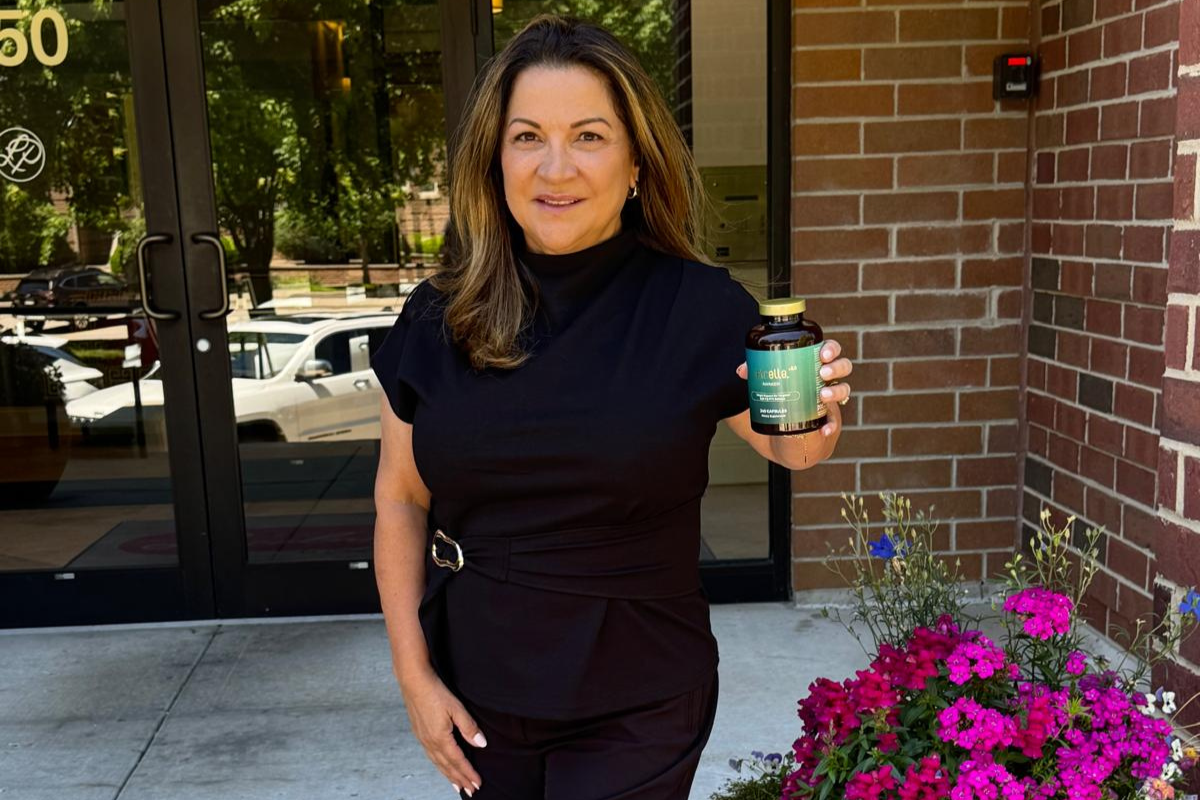
Elcella is a targeted lower-gut support system, not a traditional supplement. Using a specialised, pH-sensitive polymer, Elcella capsules safely bypass harsh stomach acid (pH ~1.0–3.0) and dissolve only once they reach the colon. Here, specifically chosen fatty acids activate your L-cells, promoting a natural, dual-hormone release of GLP-1 and PYY for a biologically aligned approach to appetite balance. How Elcella works
Reclaim Your Appetite Balance
Feeling hungry after you eat isn't a character flaw; it is a mechanical miscommunication in your gut. By understanding how L-cells, fullness hormones, and modern foods interact, you can take practical steps to restore your body's natural signalling. Focus on whole, fibrous foods that make it to the lower intestine, and give your gut the support it needs to communicate clearly with your brain.
Ready to naturally support your GLP-1 and PYY levels? Explore how our targeted delivery system works.

Researched and Co-written by Emily Ogden


Leave a comment
This site is protected by hCaptcha and the hCaptcha Privacy Policy and Terms of Service apply.